.svg)

.svg)
.svg)


We protect what matters most — from critical infrastructure to everyday environments across Somaliland.
Address
G2S Group Hargeisa HQ, Muj. Yahye Rd. Southwest of Maansoor Hotel.
contact
Quick Links
© 2025 G2S Groups. All rights reserved.
.svg)
.svg)
.svg)
.svg)
.svg)
.svg)
.svg)
.svg)



.svg)
.svg)
From ports to pipelines, critical infrastructure is the backbone of development — and it’s increasingly a security target in East Africa.
East Africa’s rapid infrastructure growth — from fiber-optic cabling to oil pipelines — has created new vulnerabilities. Armed groups and criminals often see infrastructure as leverage points. Public agencies often lack the manpower or resources to guard every site.
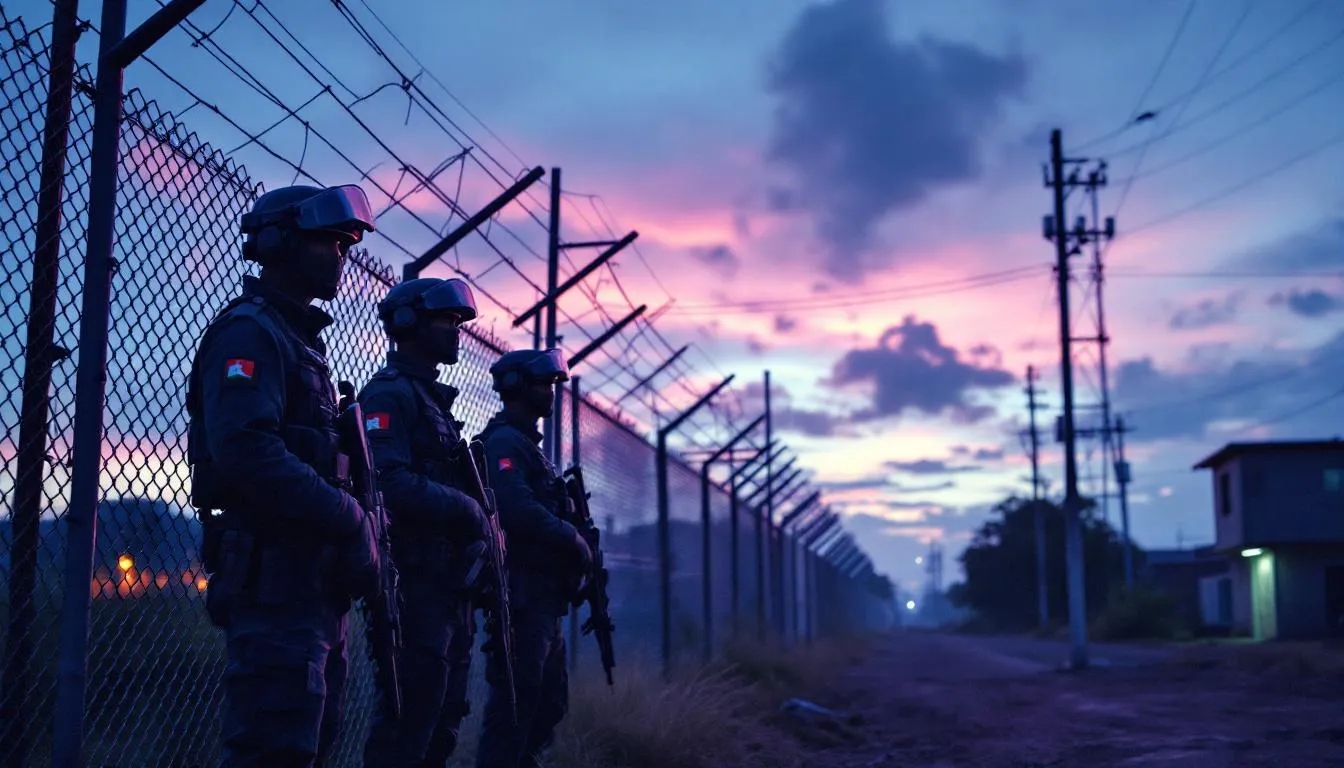
That’s why companies turn to private security partners. Trained local personnel, round-the-clock patrols, real-time monitoring, and coordinated response plans are now essential to keeping infrastructure safe and operational in fragile zones.
Private security firms now play a vital role in protecting essential infrastructure like ports, telecom towers, and energy grids. These assets are lifelines for economic stability and require layered security approaches tailored to local risks.

From oil terminals to data towers, East Africa’s infrastructure is essential — and exposed. Private security firms are key players in ensuring stability and uninterrupted operations through specialized risk management.


Threats like sabotage, organized crime, and political disruption have put pressure on infrastructure managers to rethink security. Private guards, surveillance systems, perimeter fencing, and coordination with government forces are now standard — especially in strategic zones like Berbera, Djibouti, and Lamu.

Critical infrastructure in East Africa is increasingly targeted — learn how private security services are protecting ports, telecoms, and utilities.
From oil terminals to data towers, East Africa’s infrastructure is essential — and exposed. Private security firms are key players in ensuring stability and uninterrupted operations through specialized risk management.